

If you are currently in Quy Nhon province and experiencing vision discomfort, seeking timely medical attention will ensure you receive the correct therapeutic drops.
Is It Conjunctivitis or Something Else?
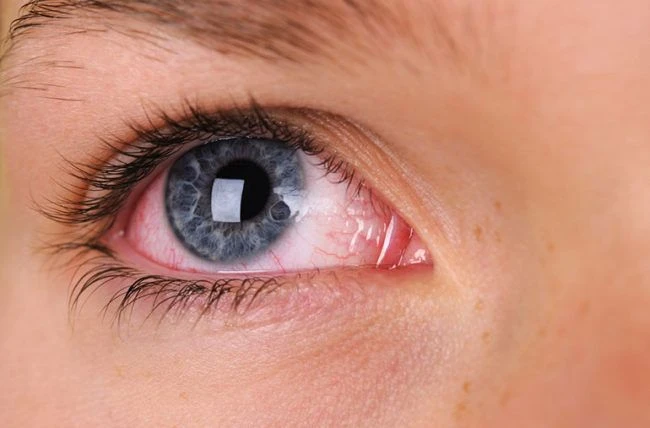
The most common conjunctivitis symptoms include:
- Redness and swelling of the eye and eyelids
- Thick discharge (yellow, green, or white) that can crust over eyelashes overnight
- Irritation, including burning, itching, dryness, or a constant watery feeling
- A gritty sensation, making it feel like something is stuck in your eye
- Visual changes, such as mild eye pain, light sensitivity, or intermittent blurred vision
While conjunctivitis is highly common, similar symptoms can point to other issues, such as:
- Allergic Reactions: Triggered by sudden exposure to dust, local pollen, or intense tropical flora.
- Corneal Abrasions: Tiny scratches on the surface of the eye caused by trapped sand, wind-blown debris, or dust particles.
- Foreign Bodies: Fine grit or small insects trapped under the eyelid.
At Hoa Duc Clinic, our physicians look for defining symptoms of conjunctivitis to ensure an accurate diagnosis.
How Eye Infections Spread in Tropical Climates
Tropical destinations feature specific environmental conditions, such as high heat, ambient humidity, and increased outdoor activities, that naturally facilitate the survival and transmission of ocular pathogens. Understanding how these infections proliferate helps you take active steps to safeguard your vision:
Viral vs. bacterial conjunctivitis
Viral Infections: Pathogens from the adenovirus family are the leading cause of acute pink eye. Other viral triggers include measles, mumps, COVID-19, eye herpes, molluscum contagiosum, and hand, foot, and mouth disease. Additionally, certain viruses responsible for sexually transmitted infections (STIs) can also cause viral conjunctivitis.
Bacterial Infections: These represent the second most common cause of pink eye. Bacterial conjunctivitis can stem from the same bacteria responsible for staph infections, strep throat, and certain types of meningitis, as well as STIs such as chlamydia, gonorrhea, and syphilis.
Fungal and Parasitic Infections: While it is possible for a fungus or parasite to cause pink eye, these types of infections are far less common than viral or bacterial variants.
Contact lens wearers are at higher risk

If you wear contact lenses, your baseline risk for developing a severe eye infection or conjunctivitis increases significantly. Tropical climates can accelerate bacterial multiplication on lens storage cases, allowing microorganisms to easily become trapped underneath the lens material. If left untreated, this can lead to rapidly progressing corneal infections, such as Acanthamoeba or Pseudomonas keratitis, that present a direct threat to your eyesight.
Eye hygiene tips for travellers
- Wash Hands Constantly: Frequently use clean water and soap or an alcohol-based sanitizer, especially before touching your face.
- Ditch Lenses Temporarily: Switch to prescription glasses immediately if your eyes begin to feel scratchy, dry, or slightly red.
- Avoid Tap Water for Eye Care: Never rinse your eyes, contact lenses, or lens cases with local tap water; always use sterile saline solutions.
- Protect Against the Elements: Wear UV-blocking sunglasses to shield your eyes from intense sunlight, drying winds, and airborne dust during motorbike rides.
Eye Infection Treatment at Hoa Duc Clinic, Quy Nhon
If you develop symptoms of an eye infection, you can access reliable, expert medical care at Hoa Duc Clinic.
Clinical Warning: Avoid purchasing random, unprescribed eye drops from street pharmacies. Many local over-the-counter formulations contain potent corticosteroids, which can worsen viral or fungal infections, mask serious symptoms, or cause permanent intraocular pressure damage if misused.
When you visit us with suspected eye infection, we follow a rapid, systematic approach to get you feeling better safely:
- Detailed Examination: We thoroughly inspect the eye structures, eyelids, and discharge patterns to accurately differentiate between viral, bacterial, or allergic causes.
- Targeted Prescriptions: Depending on the exact diagnosis, we provide specific broad-spectrum antibiotic drops, antiviral ointments, or soothing antihistamine eye drops.
- Cross-Contamination Counseling: Our team guides you on how to apply your medications cleanly to prevent spreading the infection from one eye to the other or to your travel companions.
Our centralized system ensures your consultation, diagnostic assessment, and prescription collection happen smoothly under one roof, getting you back to your travel plans safely.
Conclusion
An eye infection can make traveling incredibly uncomfortable, but getting a fast, professional diagnosis makes all the difference. If you are struggling with a painful, weeping, or red eye, let the clinical team at Hoa Duc Clinic provide the clear communication and targeted care you need.
Contact us now to schedule your consultation!
Frequently Asked Questions (FAQ)
1. How long does pink eye last?
The duration of pink eye depends entirely on its cause: viral infections typically last up to two weeks, though rare cases can linger longer; bacterial infections usually clear up within 10 days; allergy-related pink eye persists for as long as you remain exposed to the allergen.
2. How long is conjunctivitis contagious?
Viral and bacterial conjunctivitis remain highly contagious for as long as your eyes are actively weeping or producing discharge, typically between 3 and 7 days after symptoms begin. It is vital to avoid sharing towels, pillows, or cosmetics during this window.
3. Can I go swimming in the ocean or pools if I have pink eye?
No. You should completely avoid swimming until the infection has fully resolved. Reintroducing your eyes to water can aggravate the inflammation, wash away therapeutic drops, and risk spreading the pathogens to other swimmers.
4. When can I start wearing my contact lenses again after an infection?
You should wait at least 24 to 48 hours after your symptoms have completely disappeared and your doctor has given approval. You must also safely discard your old lenses, case, and solution to prevent re-infecting yourself.
5. Do I need an appointment to have my red eye examined?
No, you can walk directly into our clinic at 04-06-08 Dinh Cong Trang during regular hours. Acute eye issues are treated with high priority by our triage staff to ensure you see a physician promptly.
Editor: Le Hong Hanh Nguyen