
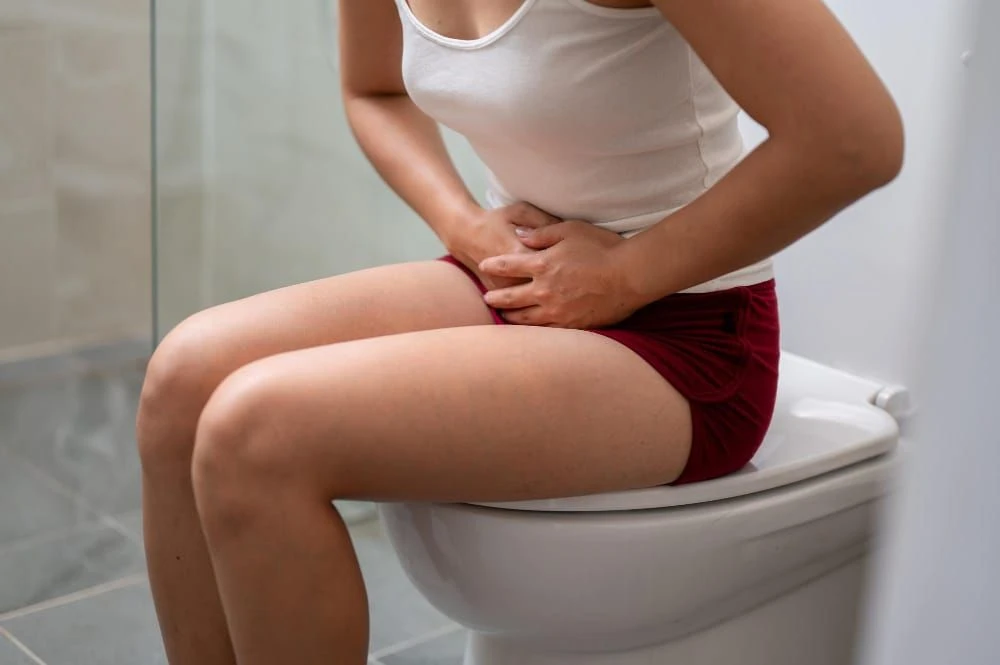
If you are experiencing ongoing gastrointestinal issues, the professional medical staff at Hoa Duc Clinic is ready to assist you. Our team offers expert diagnostic testing and specialized anti-parasitic treatments designed to eliminate the infection and safeguard your health.
What Is Giardia and How Do You Get It?
Giardia duodenalis (or Giardia lamblia) is a microscopic parasite that causes giardiasis, a diarrheal illness. It survives in two stages: an active form (trophozoite) in the small intestine and a hardy, dormant form (cyst) shed in feces, which can survive in the environment for months.
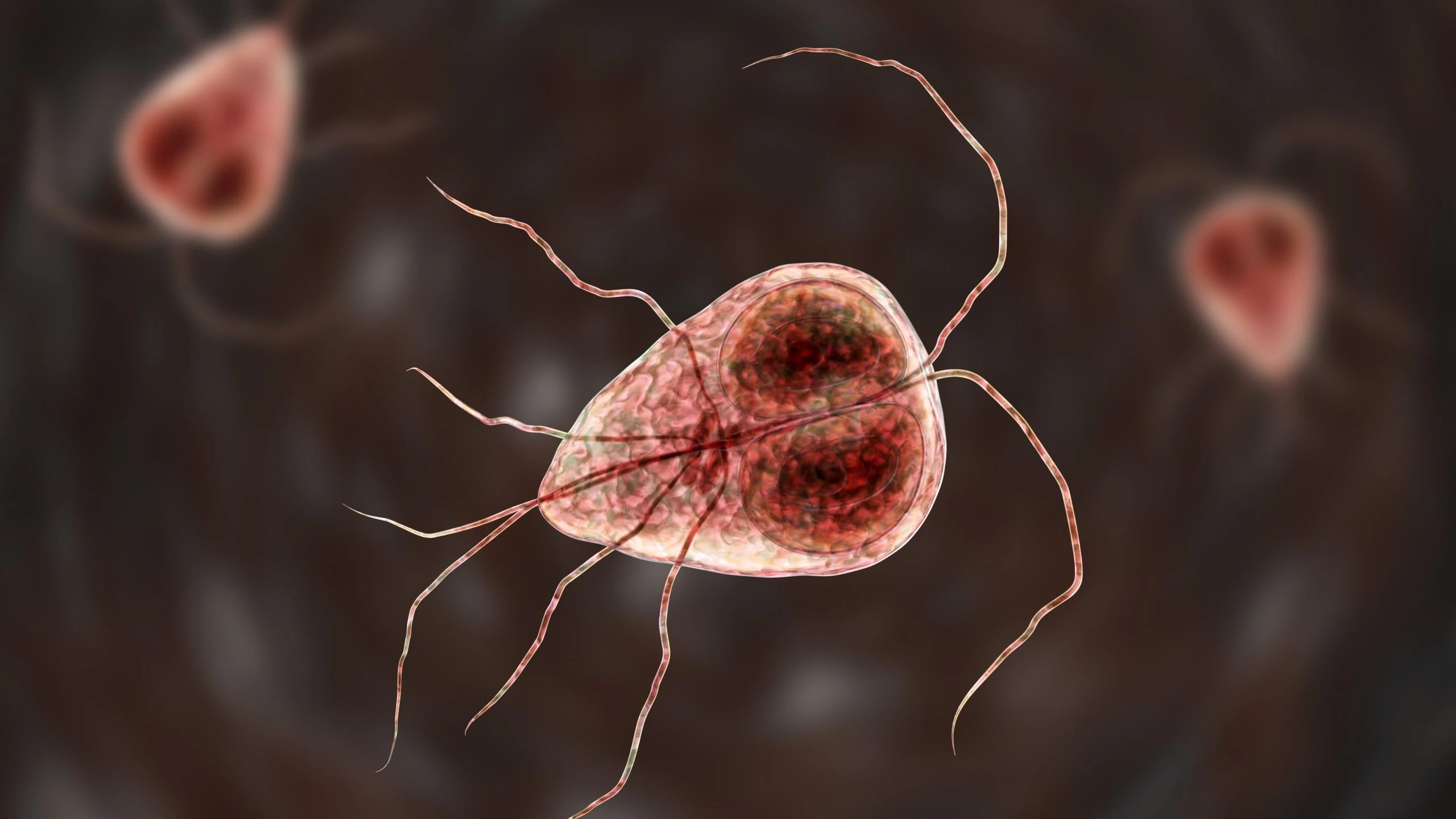
Transmission happens via the fecal-oral route, usually by accidentally ingesting these cysts. In tropical settings, travelers often contract Giardia through:
- Contaminated Water or Ice: Drinking tap water, using ice from unverified sources, or swallowing water while swimming in local rivers, lakes, or waterfalls.
- Contaminated Fresh Produce: Consuming raw herbs, salads, or unpeeled fruit washed with tainted water or handled with poor hygiene.
- Poor Hand Hygiene: Touching contaminated surfaces—like public door handles, shared railings, or rental keys—and then touching your mouth or food before washing your hands.
Giardia vs. Amoeba – Different Parasites, Similar Symptoms
Although Giardia and Entamoeba histolytica (the cause of amoebiasis) belong to distinct biological classes, they share a common focus on the human digestive tract. Both parasites provoke persistent, sub-acute discomfort that can leave travelers caught in a grueling loop of sickness. It is important to recognize these key clinical symptoms:
Greasy, foul-smelling stools
Giardia often causes pale, oily, and bad-smelling stools because the parasite makes it hard for your body to absorb fat. Amoebiasis, which affects the large intestine, typically causes loose stools that may contain mucus or blood.
Chronic diarrhoea lasting over 2 weeks
Unlike common stomach bugs that clear up quickly, these parasites can survive in your system for a long time. Without treatment, infections can cause diarrhea that lasts for weeks or even months, leaving you feeling exhausted and at risk of dehydration, especially in the tropical heat.
Nausea and excessive bloating
The parasites interfere with your digestion, causing gas to build up. This leads to painful stomach cramps, constant bloating, and a feeling of sickness (nausea) that doesn’t go away, even if you eat very little.
Expert Testing and Treatment at Hoa Duc Clinic, Quy Nhon

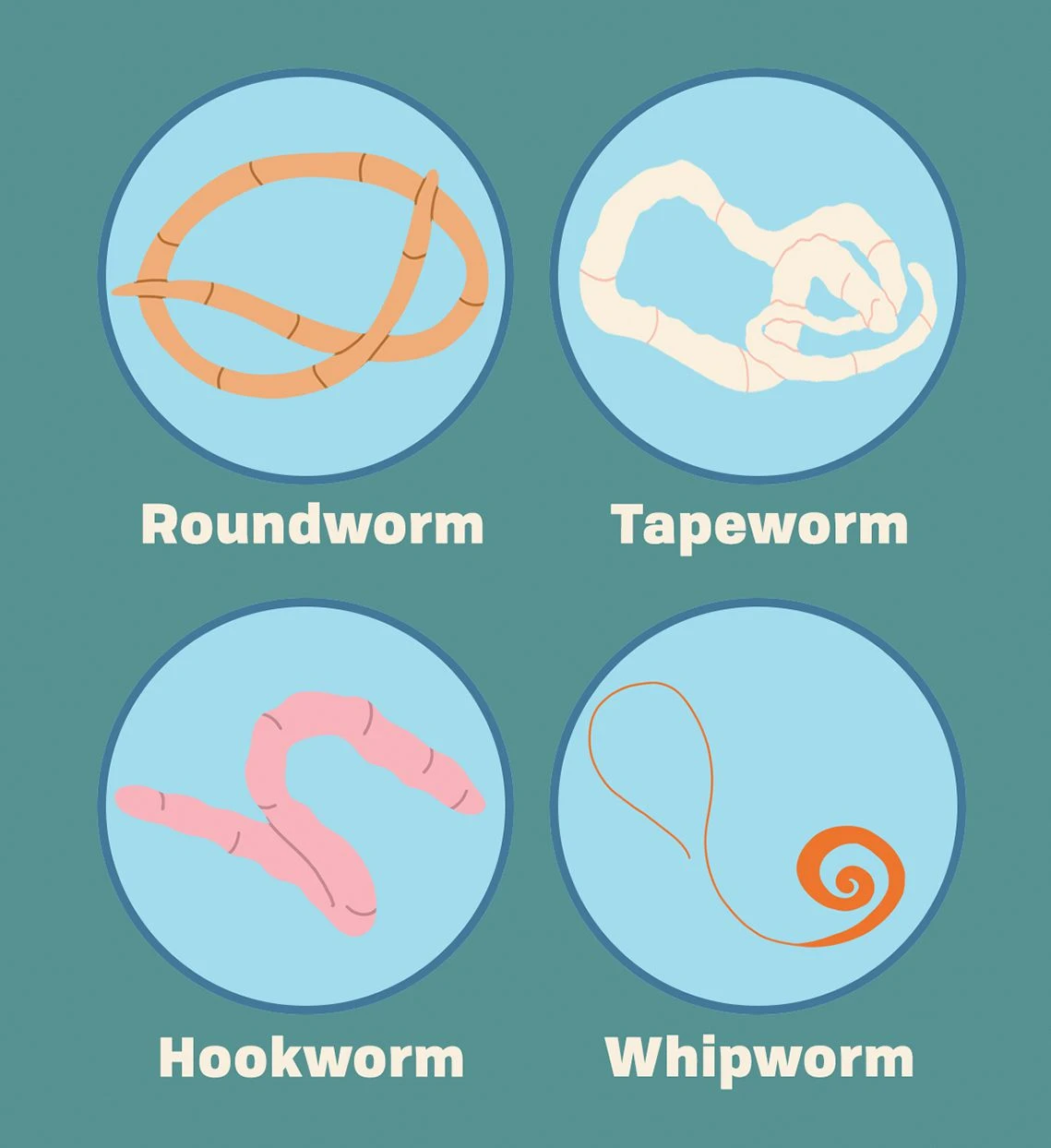
If your digestive symptoms persist, avoid self-medicating with over-the-counter deworming pills or general anti-diarrheal medications. Standard store-bought deworming tablets only target multi-cellular worms and are completely ineffective against microscopic parasites like Giardia or Amoeba. These infections require specific prescription antimicrobial therapies.
Located at 04–06–08 Dinh Cong Trang, Quy Nhon, our facility provides a direct and professional clinical protocol to resolve your infection:
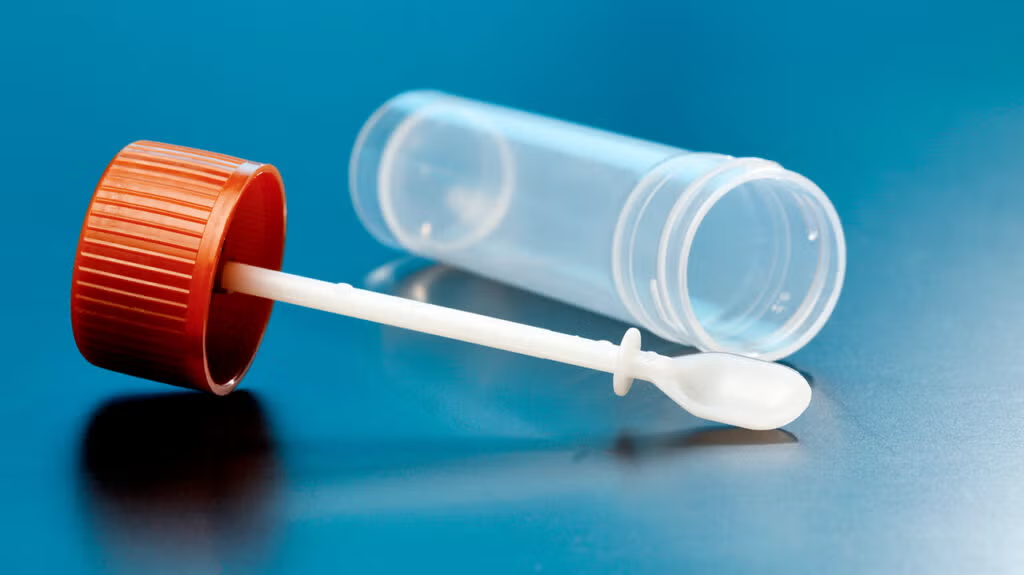
- Immediate On-Site Stool Testing: Our laboratory uses advanced microscopy to physically identify specific parasites within minutes.
- Essential Blood Work: We run hematology panels to check for systemic inflammation, dehydration, or concurrent bacterial issues.
- Targeted Medical Treatment: Our experts prescribe the exact antimicrobial course required to fully eradicate the isolated parasite strain.
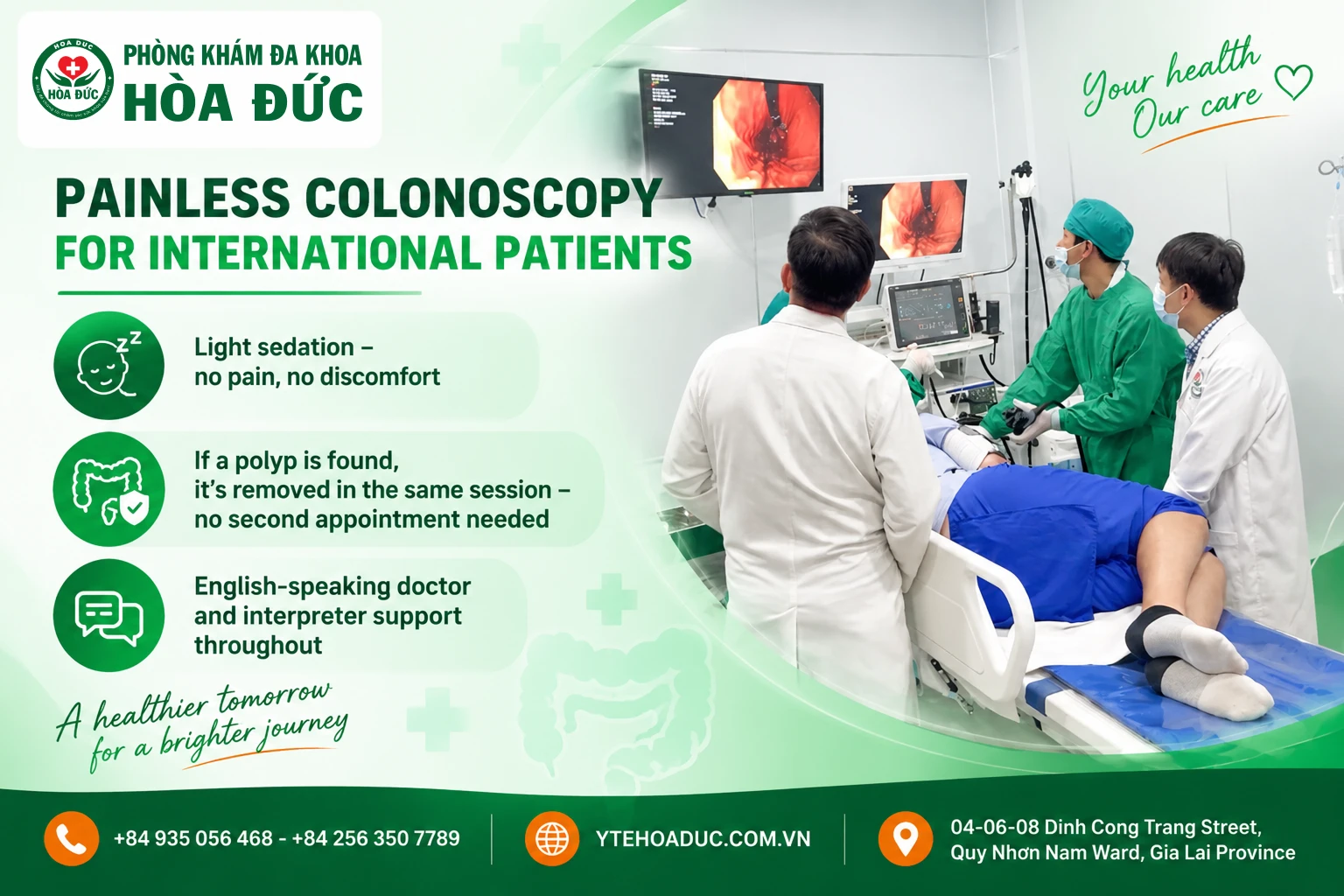
- Optional Painless Endoscopy: For complex or severe cases, we use state-of-the-art imaging to ensure complete diagnostic accuracy.
By choosing Hoa Duc Clinic, you benefit from a streamlined recovery process. Our facility integrates rapid diagnostic services and a comprehensive pharmacy, allowing you to prioritize your health without unnecessary delays.
Conclusion
Don’t let stomach problems spoil your trip. A quick lab test can find the cause and get you back on track. If you’re dealing with constant bloating or need a parasite test in Quy Nhon, our team at Hoa Duc Clinic is here to help with clear, expert care. Let us get you feeling better so you can get back to enjoying your vacation.
Contact us now to schedule your consultation!
Frequently Asked Questions (FAQ)
1. How long does it take for a protozoan parasite test to show results?
A standard stool analysis and complete blood count at our on-site laboratory are processed rapidly, typically delivering detailed, verified results within 1 to 2 hours during your initial consultation.
2. Is a Giardia or Amoeba infection contagious to my travel companion?
Yes, both infections are highly contagious. Because the parasite cysts are shed in stool, they can easily spread to your partner through shared hotel bathrooms, touching contaminated surfaces, or sharing food if strict hand hygiene is not maintained.
3. Can I still go swimming if I am recovering from a parasitic diarrheal infection?
No, you must completely avoid swimming in hotel pools, public water parks, or natural oceans and rivers while experiencing diarrhea. Doing so risks washing parasite cysts into the water, exposing other swimmers to infection.
4. Do I need an advance booking to have my chronic diarrhea checked?
No, walk-in patients struggling with persistent gastrointestinal or parasitic distress are always welcome at our clinic at 04–06–08 Dinh Cong Trang. Our triage team will register you using English documentation and direct you to a specialist quickly.
Editor: Le Hong Hanh Nguyen