
If you are dealing with a painful, swollen, or blistering marine sting, the medical team at Hoa Duc Clinic is here to help. We provide rapid, professional treatment to neutralize residual toxins, ease your pain, and accelerate skin healing.
Symptoms and Causes
What are the symptoms of a jellyfish sting?
Jellyfish sting symptoms vary depending on the specific species you encounter in the coastal waters of Quy Nhon.
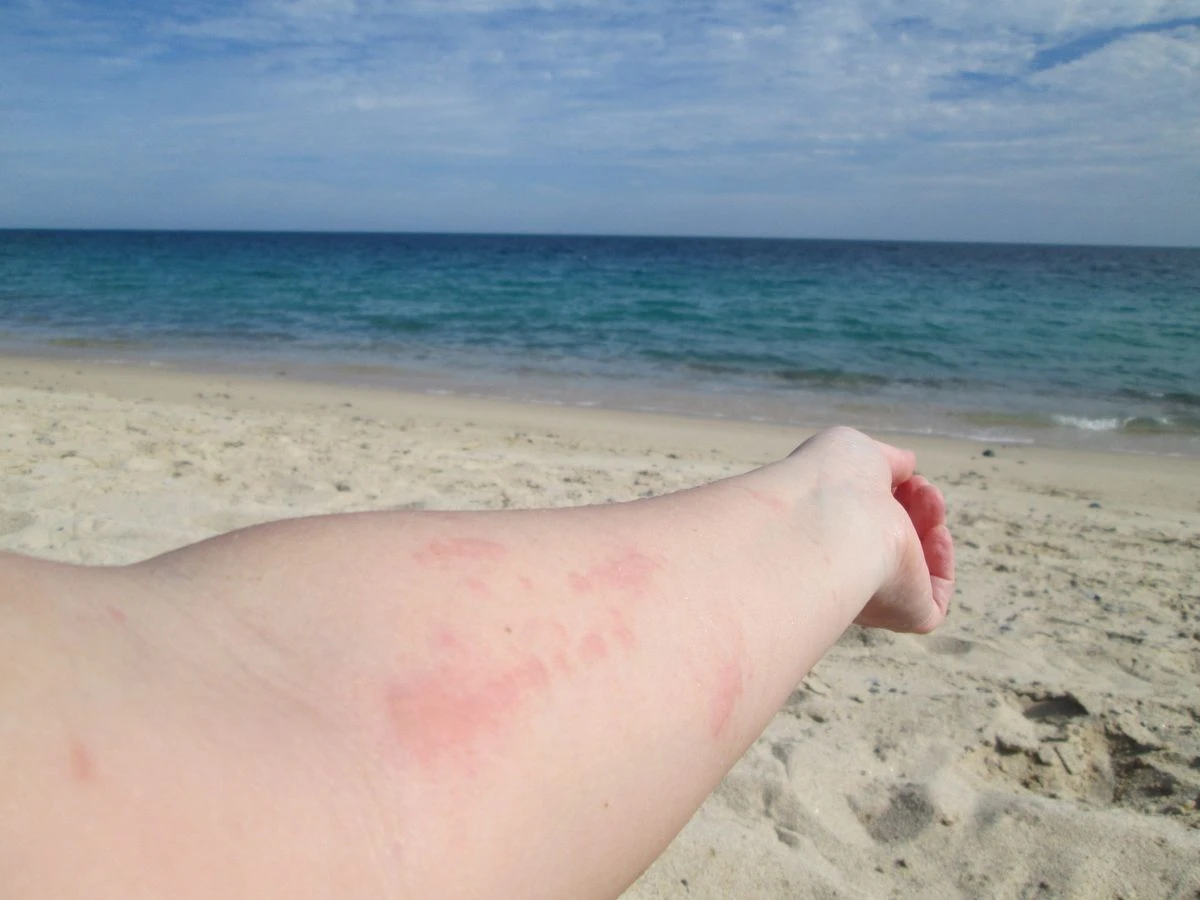
- Minor Stings: A mild encounter typically causes immediate localized discomfort, including slight pain, itching, burning, or a throbbing sensation. Visually, the sting often resembles a linear rash with red, purple, or brown track-like patches where the tentacles made contact.
- Severe Stings: More dangerous species or extensive tentacle contact can cause significant physical harm.
You should seek medical emergency care immediately if you experience any of the following severe, systemic symptoms:
- Difficulty breathing or chest pain
- Severe muscle cramps or abdominal pain
- Blistering of the skin at the sting site
- Numbness, tingling, or a pins-and-needles sensation
- Nausea, vomiting, or excessive sweating
- Difficulty swallowing
What causes a jellyfish sting?
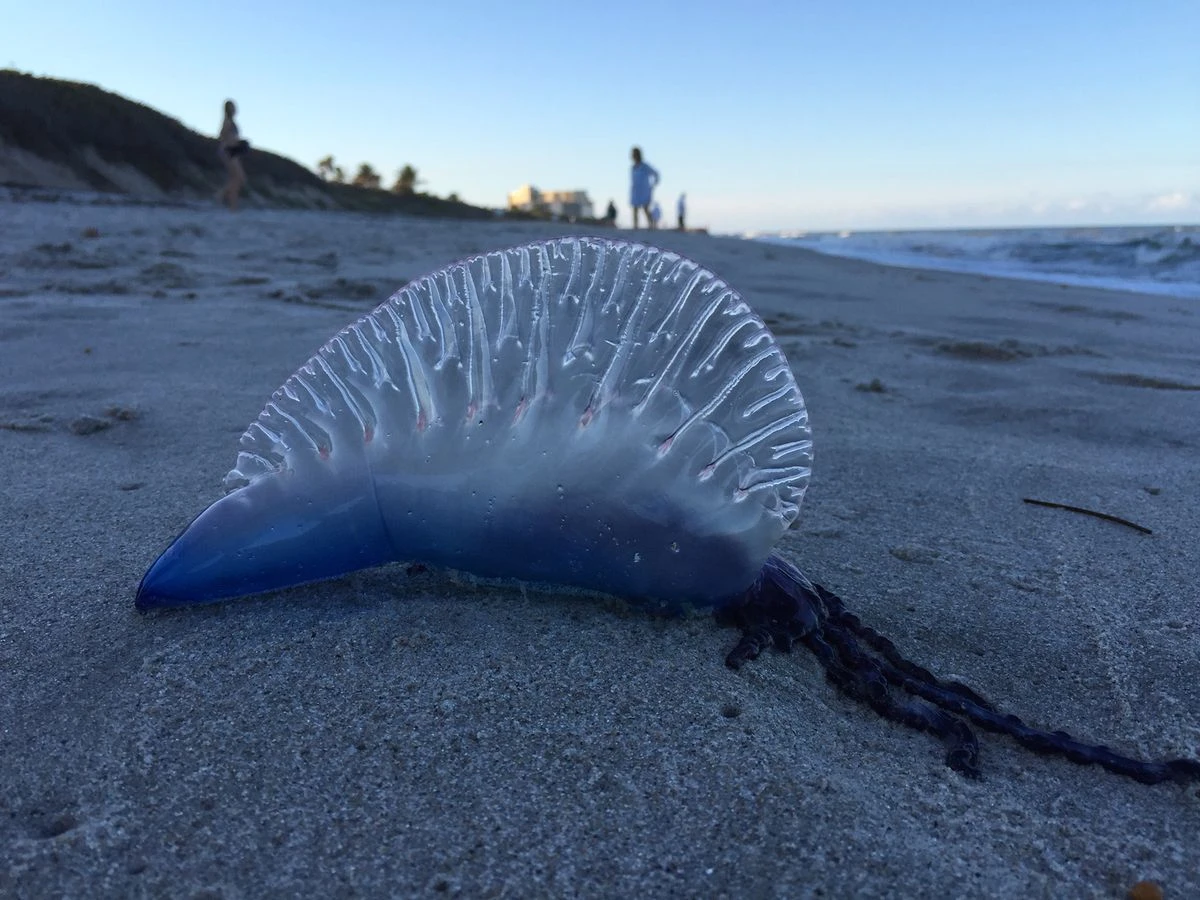
You can easily come into contact with a jellyfish’s venomous stinging cells, called nematocysts, while swimming in the ocean or walking along the beach. Upon contact, these microscopic structures instantly fire, injecting venom directly through your skin. Once injected, the venom aggressively attacks the localized skin tissue and, in more severe cases, can enter your bloodstream.
Depending on the specific jellyfish species and the total surface area of skin exposed to the venom, a sting can range from painful localized irritation to serious, systemic health complications. Because certain jellyfish stings can be life-threatening, it is vital to monitor your symptoms closely.
Immediate First Aid – What to Do (and Not Do)
Taking the correct first-aid steps on the beach can drastically limit the amount of venom absorbed by your body and prevent the sting from worsening.
Rinse with seawater, not fresh water
Your immediate priority is to wash away unactivated nematocysts still clinging to your skin. Flood the area generously with clean seawater.
Clinical Warning: Never rinse a jellyfish sting with fresh water, tap water, or bottled drinking water. Fresh water changes the osmotic pressure surrounding the cells, shocking them and causing them to instantly fire all remaining venom deep into your skin, vastly increasing your pain and tissue damage.
Remove tentacles with a card, not fingers
If jellyfish tentacles are still wrapped around your skin, do not touch or rub them with your bare fingers, as this will cause the stinging cells to fire into your hands. Instead, use a flat plastic object to gently scrape the tentacles away using a smooth, parallel motion.
Never rub the area with sand or a towel. Any physical friction will mechanically trigger unactivated stinging cells, injecting more venom into your skin and worsening the injury.
Vinegar: helpful or harmful depending on species
For many common Indo-Pacific jellyfish species, dousing the area with household vinegar (acetic acid) for 30 seconds can permanently deactivate the stinging cells, preventing further venom release. However, because local waters host multiple marine species, if your pain intensifies or begins spreading rapidly after applying vinegar, rinse it off immediately with seawater.
Never apply rubbing alcohol, urine, or ammonia to the wound, as these household myths will only cause the nematocysts to release more toxins.
When to Seek Medical Attention at Hoa Duc Clinic

While minor stings fade over a few days, many cases require professional medical oversight. You should visit Hoa Duc Clinic if you experience any of these clinical warning signs:
- Systemic Symptoms: You develop breathing difficulties, chest pain, muscle cramps, severe dizziness, nausea, or a rapid heart rate. These are signs of a severe systemic reaction or an anaphylactic emergency.
- Widespread Coverage: The sting covers a large surface area, such as an entire arm, leg, or facial region.
- Severe Blistering or Infection: The welts begin to blister heavily, turn dark purple, or show signs of a secondary bacterial infection, such as weeping pus, increased heat, or expanding redness, a few days after the incident.
When you consult with our English-speaking doctors, we professionally remove any micro-fragments, provide prescription-strength anti-inflammatory treatments, administer tetanus coverage if necessary, and offer specialized dressings to prevent permanent skin scarring.
Conclusion
A painful jellyfish sting can quickly ruin your holiday, but proper medical care brings immediate relief. If you are struggling with an intensely painful, blistering, or spreading sting in Quy Nhon, let the clinical team at Hoa Duc Clinic deliver the expert treatment you need.
Contact us now to schedule your consultation!
Frequently Asked Questions (FAQ)
1. When is jellyfish season usually active around the city?
Jellyfish activity peaks during the warmer, transitional months, typically from late spring through summer. We recommend asking local lifeguards or your hotel staff about recent water conditions before diving in.
2. Should I apply heat or cold to a jellyfish sting after rinsing it?
Once the tentacles are completely removed and the area is rinsed with seawater, immersing the affected skin in tolerably hot water (42°C to 45°C or 107°F to 113°F) for 20 to 40 minutes is highly effective, as the heat helps break down and denature the heat-sensitive proteins in the venom.
3. Can a jellyfish sting lead to permanent scarring?
If a sting causes deep blistering or becomes infected due to scratching, it can leave a hyperpigmented or keloid scar. Seeking professional topical treatments at our clinic early helps minimize tissue damage and protects skin aesthetics.
4. Do I need an advance booking if I have just been stung by a jellyfish?
No, acute marine injuries are treated as urgent walk-in priorities. Come directly to our facility at 04-06-08 Dinh Cong Trang, and our triage team will fast-track you to see an English-proficient physician immediately.
Editor: Le Hong Hanh Nguyen