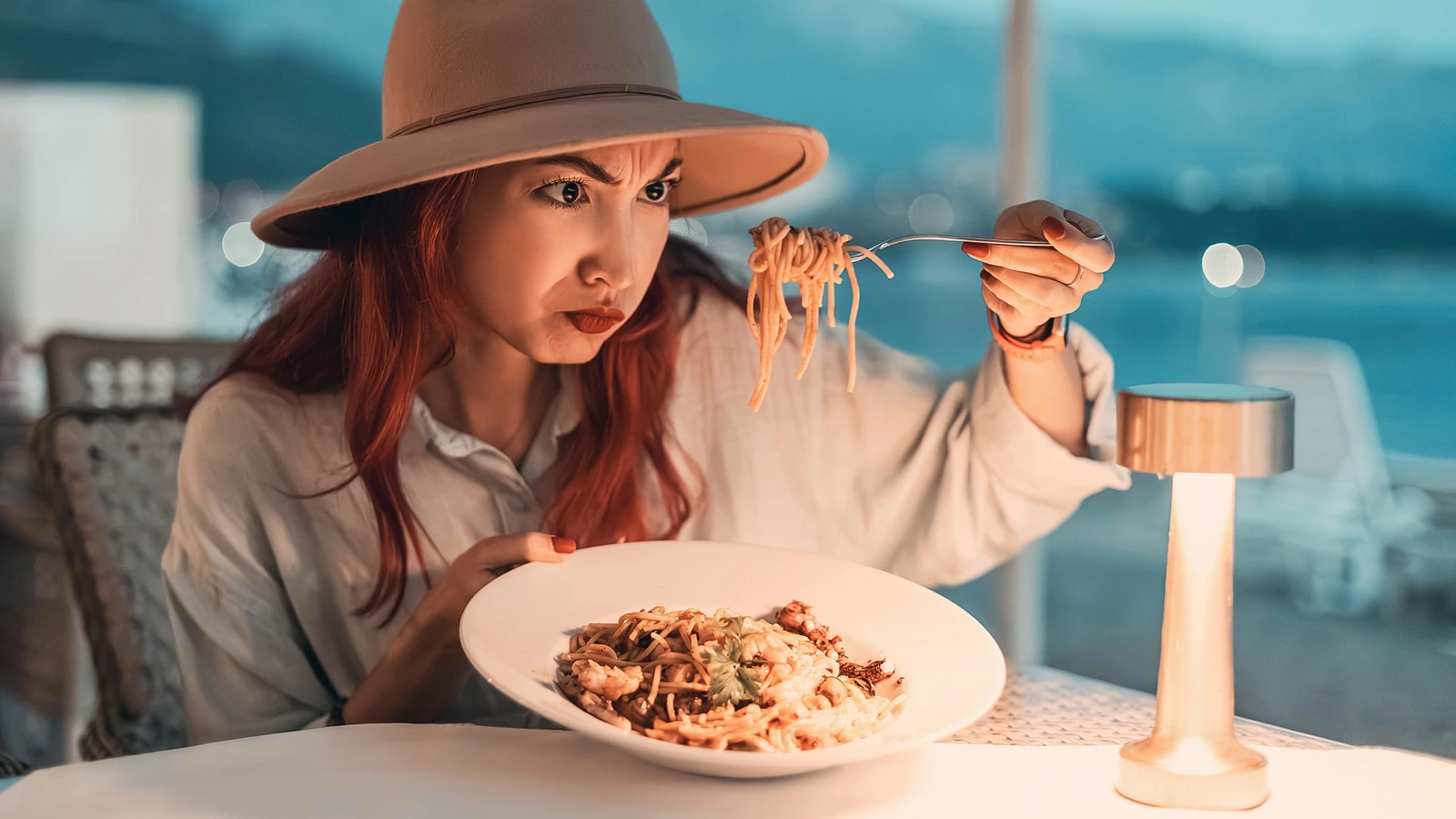
Travelling in Vietnam offers incredible culinary experiences, but unfamiliar food preparation or water quality can sometimes lead to unexpected digestive distress. If you experience food poisoning while traveling, Hoa Duc Clinic provides specialized medical support for tourists and expats. Our team prioritizes rapid diagnosis and effective rehydration to ensure a swift recovery, helping you get back to your journey with confidence.
Recognising Food Poisoning While Travelling
Food poisoning symptoms typically emerge two to six hours after consuming contaminated food, though some bacterial infections can take a day or two to manifest. While these symptoms often resolve within 12 to 48 hours, early recognition is vital to preventing severe dehydration or complications.
Common symptoms include:
- Nausea
- Vomiting
- Diarrhea.
- Fever
- Headache
- Abdominal pain.
At Hoa Duc Clinic, we often see patients who initially mistake these symptoms for simple travel fatigue or heat exhaustion. It is important to pay attention to the timing of your symptoms in relation to what you have recently eaten or drunk. By visiting our clinic at the first sign of distress, you ensure access to rapid medical intervention, preventing mild discomfort from escalating into a medical emergency.

When to See a Doctor for Food Poisoning
While many cases of food poisoning resolve with home rest, certain symptoms require immediate medical intervention to prevent serious complications. Distinguishing between mild discomfort and a clinical emergency saves you from serious complications. Below is a clear guide.
Mild symptoms you can manage at home
When dealing with food poisoning, consistent hydration is your top priority. For mild nausea or manageable stomach cramping, you may be able to manage at home with rest and clear fluids. However, if you are losing significant fluids through diarrhea or sweating from a fever, it is critical to replenish them with electrolytes, salts, and sugars, such as broth, ginger ale or juice.
To settle your stomach as your appetite returns, Hoa Duc Clinic recommends the BRAT diet:
- Bananas
- Rice
- Applesauce
- Toast
We advise monitoring your condition closely for the first 12 to 24 hours. If symptoms do not subside or if you struggle to maintain hydration, professional medical intervention may be necessary to ensure a safe recovery.
Warning signs that need medical attention
If your nausea is so severe that you’re unable to keep any fluids down, you need to seek medical help.
Seek a doctor immediately if you:
- Are pregnant or breastfeeding.
- Are immunocompromised due to a medical condition or specific medications.
- Develop a persistent high fever, exceeding 38.3°C (102°F).
- Observe blood in vomit or stool.
- Have dark urine or being unable to urinate
- Feel persistent dizziness or lightheadedness.
- Experience neurological changes, such as blurred vision, confusion, or delirium
Food poisoning complications
While rare, food poisoning complications can be severe or even life-threatening if left untreated. The most frequent issue is profound dehydration, where the rapid loss of water and electrolytes through vomiting and diarrhea outpaces your ability to rehydrate orally.
Beyond dehydration, certain pathogens can trigger specific, long-term health crises:
- Miscarriage and stillbirth: Listeria infections are particularly dangerous for growing fetuses. The bacteria can lead to severe neurological damage in newborns and even death.
- Kidney damage: Specific strains of E. coli can trigger Hemolytic Uremic Syndrome (HUS), a serious condition that can result in acute kidney failure.
- Chronic joint issues: Infections from Salmonella or Campylobacter are known to cause reactive arthritis and lasting joint damage.
- Neurological Impact: Certain viruses and bacteria can migrate to the central nervous system, causing meningitis(brain inflammation) or Guillain-Barré syndrome, a rare disorder where the immune system attacks the nerves.
Risk of dehydration in tropical heat
The intense tropical heat in Quy Nhon significantly accelerates the danger of dehydration, especially when fluids are lost through vomiting or diarrhea. Common warning signs include a dry mouth, dark urine, dizziness, rapid heart rate, and extreme fatigue.
While children and older adults are at the highest risk, even healthy adults can face severe physical collapse within 24 hours. Consequently, consistent rehydration is the primary goal of recovery.
The Hoa Duc Clinic medical team emphasizes that maintaining an electrolyte balance is critical. If you are unable to retain oral fluids, professional IV rehydration is often the safest and most efficient solution to restore your health and prevent further complications.
How Hoa Duc Clinic Treats Food Poisoning
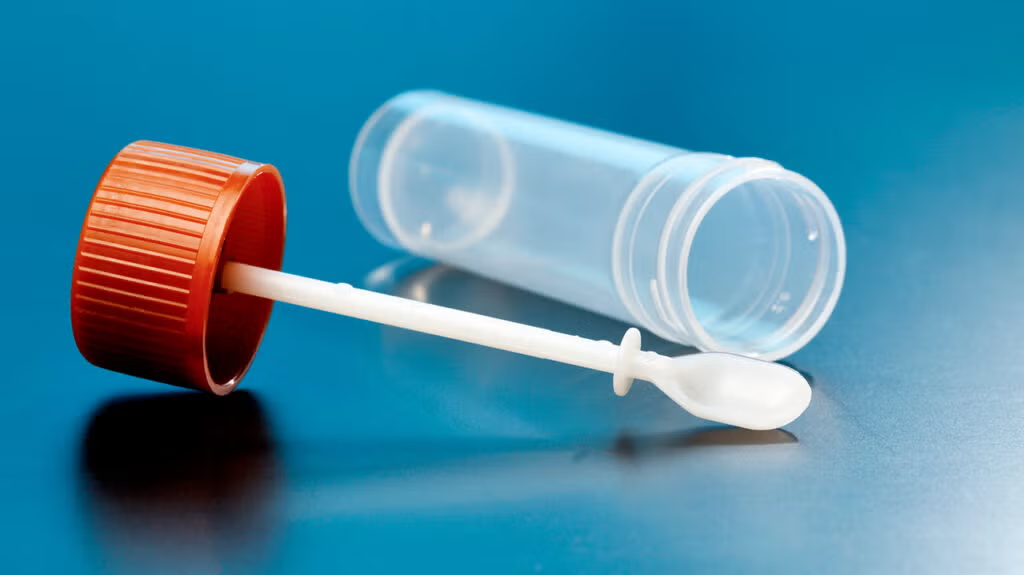
Hoa Duc Clinic provides a comprehensive and efficient approach to treating gastrointestinal issues for both the national and international community in Quy Nhon. We begin with a rapid assessment of your hydration levels and, if necessary, perform on-site blood or stool tests to identify the specific cause of your illness.

Clinical treatment options:
- Fluid & electrolyte replacement: Critical for restoring mineral balance (sodium, potassium, calcium) lost through vomiting or diarrhea. Severe dehydration may require hospital-grade IV fluids for rapid recovery
- Antibiotics: These are prescribed specifically for confirmed bacterial infections. This intervention is crucial for patients with severe symptoms or those at high risk for complications.
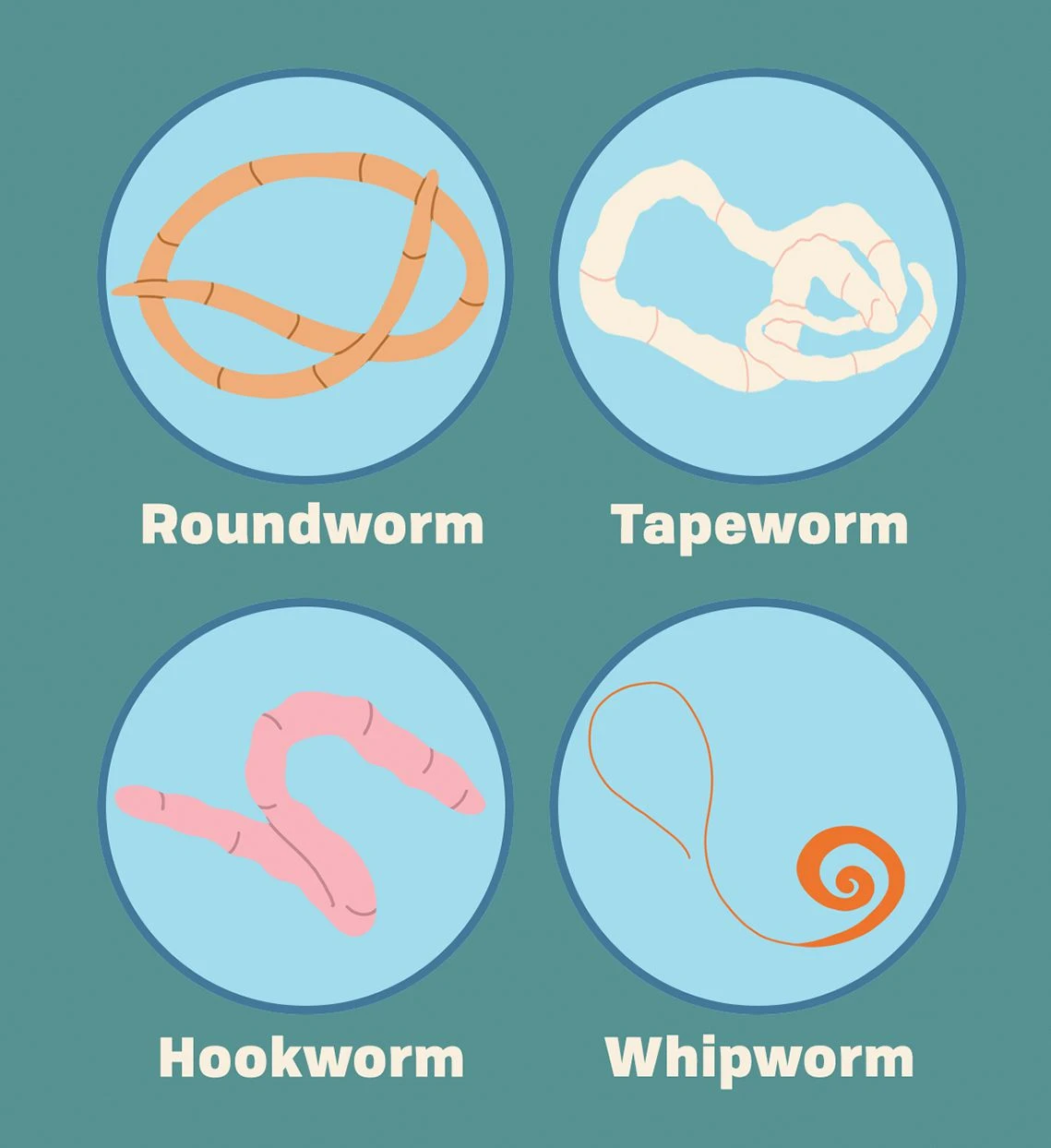
- Antiparasitics: If a parasitic infection is diagnosed, our medical team provides targeted medications to eliminate the pathogen and stop the cycle of illness.
- Probiotics: To help settle your stomach and restore healthy gut flora, we may recommend specific probiotic treatments. This supports a faster return to a normal diet and prevents long-term digestive sensitivity
Conclusion
Don’t let a gastrointestinal illness disrupt your travels in central Vietnam. If you are experiencing food poisoning or acute stomach pain, visit Hoa Duc Clinic Quy Nhon for professional medical support.
Our clinical team provides the targeted care and rapid rehydration necessary to ensure a safe, efficient recovery so you can return to your holiday with confidence
Contact us now to schedule your consultation!
Frequently Asked Questions (FAQ)
1. How long does a typical recovery take?
Most mild cases of food poisoning resolve within 24 to 48 hours with proper rest and hydration. However, if an infection is bacterial, recovery may take longer and require a specific course of medication prescribed by a doctor at our clinic.
2. Can I eat local food again after recovering?
Yes, but start with a BRAT diet for the first 48 hours. Strictly avoid raw seafood, salads, and street ice until your stomach fully heals.
3. Does Hoa Duc Clinic provide IV rehydration therapy?
Yes. We provide professional IV fluid replacement for patients who are severely dehydrated or unable to tolerate oral fluids. This is often the most effective way to restore energy and balance your electrolytes rapidly.
4. Does Hoa Duc Clinic test for specific bacteria?
Hoa Duc Clinic provides on-site diagnostic testing for common bacterial pathogens, including Salmonella, Campylobacter, and E. coli. Thanks to on-site Laboratory – Pathology – Cytology Center, we deliver results and complete your comprehensive medical profile within a single clinical session.
5. Does the clinic provide medical documentation for international travel insurance?
Absolutely. We provide detailed medical reports and itemized receipts in English, which are essential for filing claims with international travel insurance providers regarding your treatment and medication.