
What Is Dengue Fever and How Is It Transmitted?
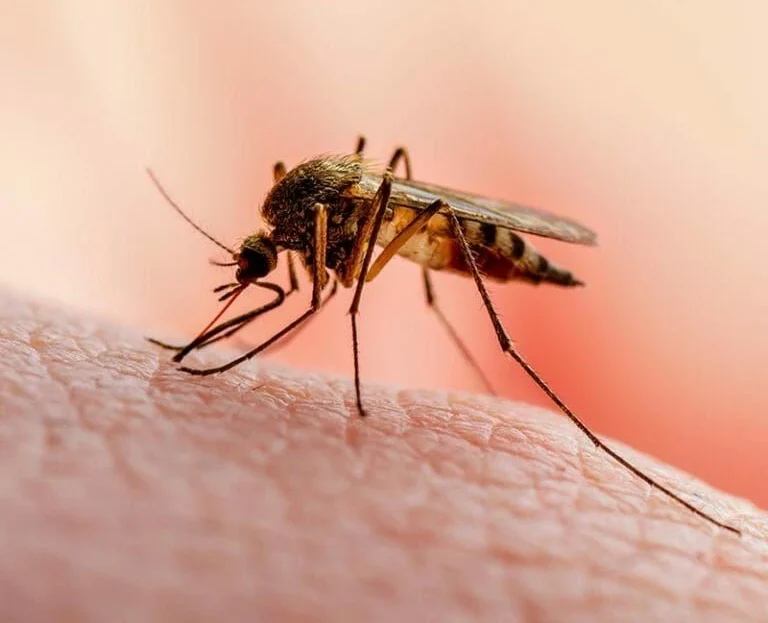
Dengue is a viral infection spread by the Aedes aegypti mosquito, recognizable by its white-marked legs. These mosquitoes thrive in tropical areas, breeding in stagnant water found in urban containers like tires or pots. Unlike typical mosquitoes, they bite during the day, peaking at sunrise and sunset. Because there are four virus types, individuals can contract dengue multiple times, with repeat infections increasing the risk of severe complications.
Key Symptoms to Watch For

Dengue fever symptoms usually appear 4 to 10 days after a mosquito bite. Recognizing these early signs helps you get medical care before your platelet levels drop dangerously low.
Sudden high fever (39–40°C)
The most defining characteristic of dengue fever is a sudden, explosive spike in body temperature, often reaching 39°C to 40°C (102.2°F to 104°F). This acute fever phase typically lasts between 2 to 7 days and is frequently accompanied by severe, shaking chills, flushing of the face, and extreme physical exhaustion that leaves you feeling completely bedridden.
Severe headache and pain behind the eyes
Dengue is often called “breakbone fever” because it causes severe muscle, bone, and joint pain. Additionally, patients typically experience intense headaches and sharp pain behind the eyes, which often worsens when blinking or moving your eyes.
Skin rash appearing after 2–3 days
A common sign of dengue fever is a skin rash that typically appears 2 to 5 days after the fever starts. It often begins as a faint red flushing on the face, neck, and chest, before spreading across the body like measles. In later stages, you may see a pattern described as ‘white islands in a sea of red’ patches of normal, pale skin surrounded by bright red, itchy skin.
Dengue Testing and Treatment at Hoa Duc Clinic, Quy Nhon
If you or a travel companion develop sudden high fever, joint pain, or a rash, seek expert care at Hoa Duc Clinic.
Important Warning: Do not take Aspirin, Ibuprofen, or other NSAIDs if you suspect dengue. These medications increase the risk of severe bleeding. Use only Paracetamol for pain relief until a doctor evaluates you.
At Hoa Duc Clinic, our English-speaking doctor provide a structured care pathway:
- Rapid Testing: We offer quick NS1 antigen blood tests to confirm dengue within the hour.
- Close Monitoring: We perform complete blood counts to track your platelet levels and prevent complications.
- Dedicated Care: While there is no specific cure, we provide expert supportive care, including fluid management and safe medication, all in one convenient facility to support your recovery.
Conclusion
Dealing with a sudden illness far from home is stressful, but professional medical confirmation is key to a safe recovery. If you suspect dengue fever symptoms in Quy Nhon, the team at Hoa Duc Clinic is ready to provide the expert testing and supportive care you need to recover with confidence.
Contact us now to schedule your consultation!
Frequently Asked Questions (FAQ)
1. How long does it take to fully recover from dengue fever?
The acute phase of the illness, including the high fever and severe joint pain typically lasts about 5 to 7 days. However, the recovery phase can be lengthy, with many patients experiencing residual fatigue, muscle weakness, and a general lack of energy that lingers for several weeks after the virus has cleared.
2. What are the warning signs of “Severe Dengue” that require immediate emergency care?
As the initial fever breaks (usually around day 3 to 7), you must watch closely for severe warning signs. Go immediately to a clinic or hospital if you experience severe abdominal pain, persistent vomiting, bleeding from your gums or nose, blood in your vomit or stool, or extreme lethargy and confusion.
3. Is dengue fever contagious from person to person?
No, dengue fever cannot be transmitted directly from one person to another through casual contact, respiratory droplets, or touching. It can only be spread through the biological bite of an infected Aedes mosquito that is carrying the virus.
4. Can I take ibuprofen for dengue fever?
No, you must strictly avoid Aspirin, Ibuprofen, and other NSAIDs. These medications can trigger severe bleeding, which is a life-threatening complication of the virus. For managing fever and physical discomfort, only Paracetamol is considered safe until you receive professional medical guidance.
Editor: Le Hong Hanh Nguyen