
Why Eczema Flares Up When You Travel to Vietnam
Eczema-prone skin is sensitive to changes in the environment because it lacks a strong protective barrier. Traveling through Vietnam can trigger flare-ups due to these common factors:
- Humidity and Heat: The shift to a tropical climate can overwhelm your skin. High humidity paired with heat often leads to inflammation and irritation.
- Urban Pollutants: Outdoor activities and motorbike travel expose your skin to dust, exhaust fumes, and other particles. These pollutants can easily penetrate a sensitive barrier and cause flare-ups.
- Water Quality: Variations in tap water mineral and chlorine levels at different hotels can strip your skin of its natural oils, leaving it feeling dry, tight, and prone to itching.
What are the symptoms of eczema?
Atopic dermatitis presents through a variety of clinical signs that may fluctuate in severity. Recognizing these symptoms early is key to preventing secondary infections and managing discomfort effectively:
- Intense, Constant Itching: This is usually the most frustrating symptom, and it often feels much worse at night.
- Extreme Dryness: Your skin feels constantly tight, rough, or shows fine, flaky scaling.
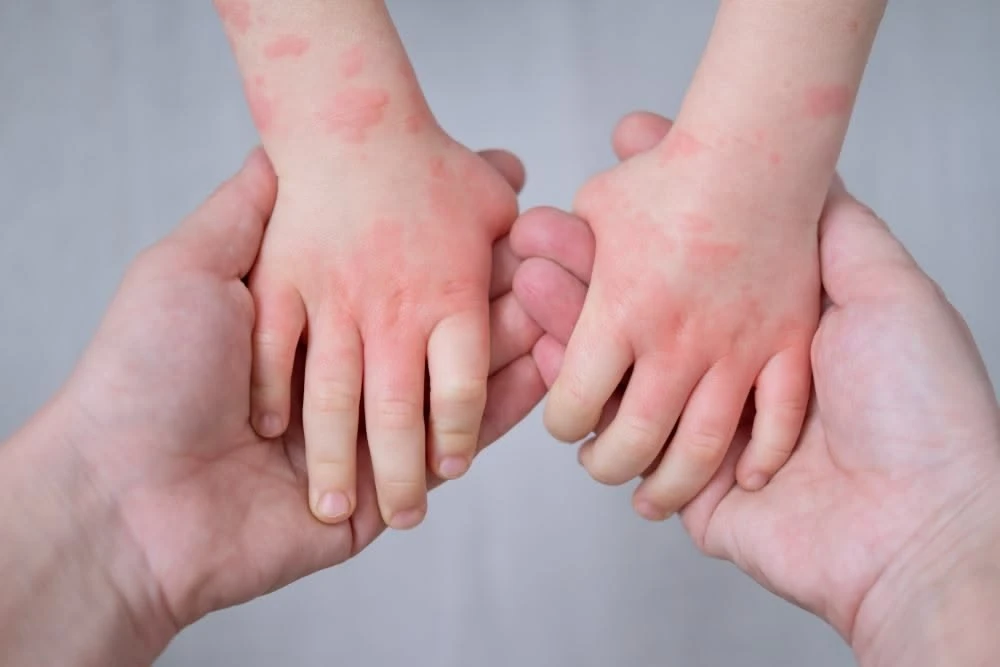
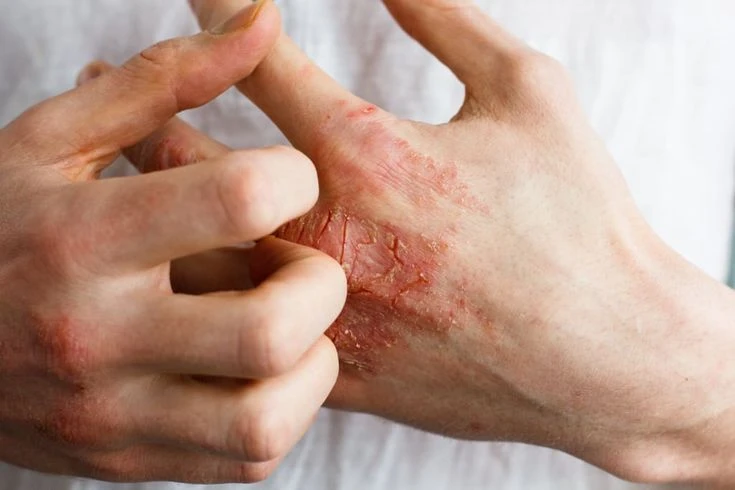
- Red or Brownish Patches: Irritated, reddish-gray patches commonly break out on the hands, feet, ankles, wrists, and neck.
- Small, Weeping Bumps: You may notice tiny, raised bumps that leak fluid and form crusts, especially if they are scratched.
- Thickened, Leathery Skin: If an area is rubbed or scratched continuously over a long time, the skin adapts by turning thick, leathery, and darker in color.
- Swelling and Rawness: The skin looks swollen, inflamed, and feels highly sensitive or raw to the touch.
If you notice these signs accompanied by warmth, yellow crusting, or pain, it may indicate a secondary infection requiring immediate clinical intervention.
Managing an Eczema Flare Without Your Usual Products
When a sudden skin flare-up hits while you are traveling, running out of your specific prescription creams or favorite sensitive-skin brands can feel incredibly stressful.
Heat and sweat as common triggers
In the tropical climate of Quy Nhon, sweating is unavoidable. Sweat contains salts and minerals that can pool in skin creases, like the elbows, neck, and knees irritating raw eczema. To manage this, stay in air-conditioned areas during the hottest parts of the day, take lukewarm showers immediately after sweating, and always gently pat your skin dry with a clean towel instead of rubbing it.
Replacing topical steroids if you ran out
If you run out of your personal prescription topical steroids, do not panic or purchase random creams from local street pharmacies.
Clinical Warning: Many over-the-counter creams available at unverified local shops contain undocumented, high-potency fluorinated steroids. While these may temporarily clear redness, misusing them can cause severe skin thinning, topical steroid withdrawal (TSW), or mask a hidden tropical bacterial infection.
Avoiding harsh local soaps and detergents
Many hotel soaps and strong laundry detergents contain harsh chemicals and perfumes that strip your skin of its protective oils, which can trigger eczema flare-ups. Instead, choose gentle, soap-free, pH-balanced cleansers and fragrance-free moisturizers from a reputable local pharmacy.
How to Get Rid of Eczema

At Hoa Duc Clinic, we believe effective eczema management begins with a personalized treatment plan tailored to your unique triggers and skin needs. Our clinical approach includes:
- Hydration Therapy: Using gentle, fragrance-free emollients throughout the day. For optimal barrier repair, apply moisturizer while the skin is slightly damp following a bath or shower.
- Targeted Topical Treatments: Utilizing clinically prescribed topical corticosteroids or non-steroidal agents to reduce inflammation under professional guidance.
- Systemic Symptom Control: Managing persistent pruritus and inflammation through oral medications, such as antihistamines or anti-inflammatory agents, as directed by your dermatologist.
- Advanced Therapeutic Interventions: In cases requiring more intensive care, we may utilize immunosuppressant therapy or specialized light therapy to manage severe symptoms.
- Proactive Trigger Management: Working with your clinical team to identify and mitigate environmental, dietary, or lifestyle factors that exacerbate your condition.
Conclusion
A sudden eczema flare-up can make traveling stressful, but the right clinical approach brings immediate relief. If you are struggling with a persistent, painful, or intensely itchy dermatitis flare in Vietnam, let the multi-specialty team at Hoa Duc Clinic deliver the expert treatment you deserve.
Contact us now to schedule your consultation!
Frequently Asked Questions (FAQ)
1. What is the difference between eczema and contact dermatitis?
Eczema (atopic dermatitis) is a chronic, genetic condition linked to an internal immune response and a weak skin barrier. Contact dermatitis is an acute reaction triggered when your skin touches a specific external irritant, such as a harsh chemical, cosmetic ingredient, or poisonous plant.
2. Can I swim in the ocean during an active eczema flare-up?
If your skin is simply dry and red, natural seawater can sometimes offer anti-inflammatory benefits. However, if your eczema has open cracks, raw scratches, or blisters, you must completely avoid the ocean and pools, as salt water will cause intense pain and expose you to opportunistic bacteria.
3. How long does a severe eczema flare take to calm down under medical care?
With the precise, non-irritating topical therapies and barrier-repair protocols prescribed by our doctors, most patients experience a noticeable drop in itching and redness within 24 to 48 hours, with the skin barrier noticeably rebuilding within a week.
4. Can stress exacerbate eczema symptoms?
Yes. Psychological stress triggers the release of cortisol, which can compromise immune function and exacerbate inflammatory skin conditions like eczema.
5. Do I need an advance appointment to have a severe skin flare examined?
No, walk-in patients are always welcome at our facility at 04–06–08 Dinh Cong Trang. If your itching is unmanageable or showing signs of secondary infection, our triage staff will fast-track you to see an English-proficient doctor promptly.
Editor: Le Hong Hanh Nguyen